


Sansuu Royalty Review: 3 Amazing Reasons Beginners Create Math Workbooks in Minutes
Introduction: The “Royalty Glitch” That’s Changing Lives

Let me ask you something.
Have you ever stared at a blank Word document, trying desperately to type out a long division problem, only to watch the numbers slide hopelessly out of alignment?
Have you ever spent three hours manually solving a 50-page answer key with a calculator, wondering if there isn’t a better way to spend your evening?
If you answered “yes,” you are not alone.
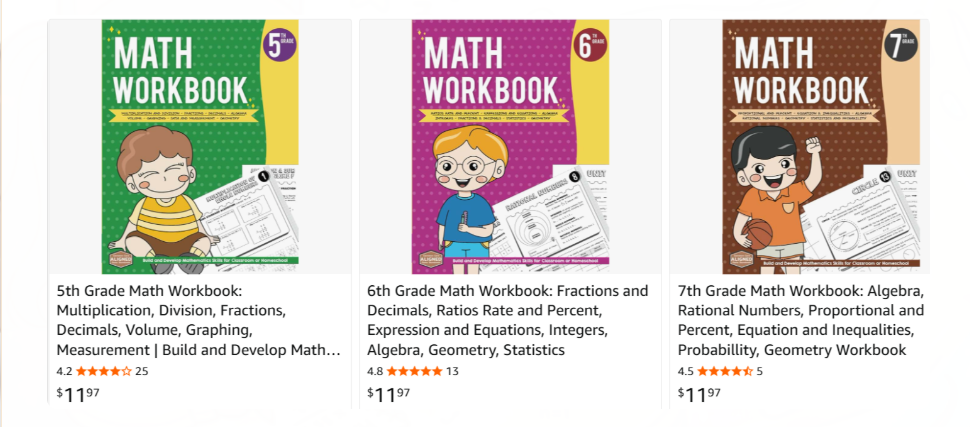
For years, aspiring publishers have looked at the massive, evergreen demand for math workbooks on platforms like Amazon KDP and Teachers-Pay-Teachers. They see regular people—teachers, parents, even teenagers—earning daily passive royalties. They see the 5-star reviews. They smell the opportunity.
But then they hit what I call the “Formatting and Calculation Wall.”
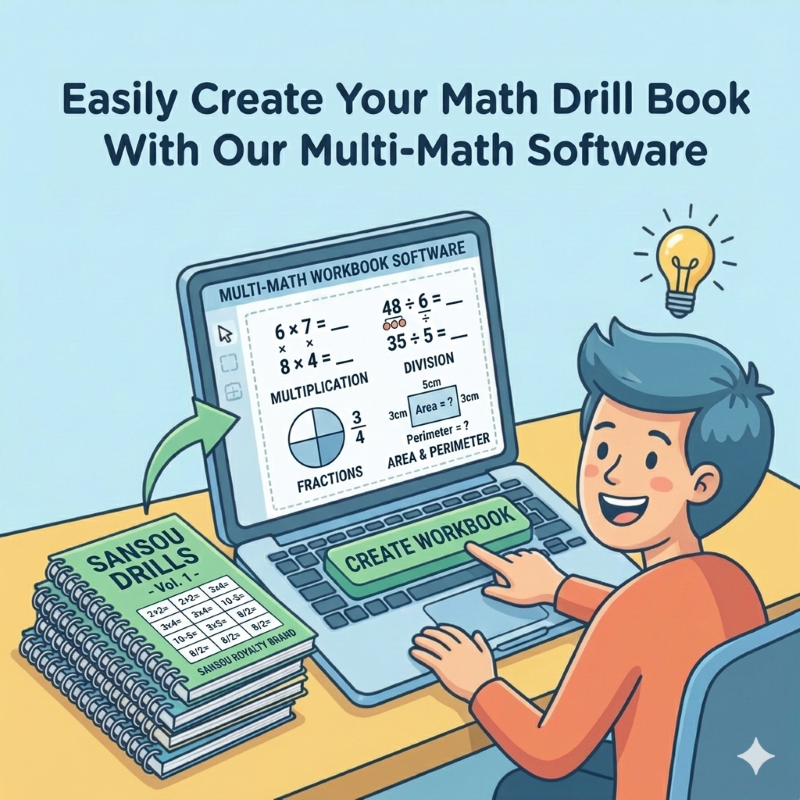
They try free online math generators that produce pixelated, garbage-quality worksheets. They try typing equations manually, only to realize that formatting fractions is a special kind of digital torture. They even try hiring freelancers on Fiverr, only to receive files with typos in the answer keys.
The dream of passive income quickly turns into an active, stressful second job as a makeshift math tutor.
Enter Sansuu Royalty.
Dubbed the “Royalty Glitch” by early adopters, this cloud-based software claims to automate 97% of the workbook creation process. No calculations. No formatting nightmares. No expensive freelancers.
But does it actually work? Or is it just another overhyped tool promising easy money?
In this detailed Sansuu Royalty Review, I will walk you through exactly how the software works, step-by-step. I will show you why beginners are flocking to it, and I will answer every burning question you have about KDP royalties, publishing platforms, and whether you can really make money selling books online.
Let’s dive in.


If you enjoy AI automation, you might also like Ohanashi AI Gen for story creation.
Why Choose Math Workbooks? The Evergreen Goldmine
Before we talk about the software, we need to talk about the market.
Why math workbooks?
Unlike fidget spinners, fad diets, or celebrity memoirs, math never goes out of style.
Parents will always need practice materials for their children. Teachers will always need supplemental worksheets for their classrooms. Homeschooling families—a rapidly growing demographic—are constantly starving for fresh, unique activity books.
According to industry data, the global education workbook market is worth billions of dollars annually. And here is the secret that most “gurus” won’t tell you: You don’t need to be a teacher to tap into it.
Platforms like Amazon KDP (Kindle Direct Publishing) have democratized the publishing industry. You upload a PDF. Amazon prints the book on demand. A customer buys it. Amazon ships it. You collect a royalty.
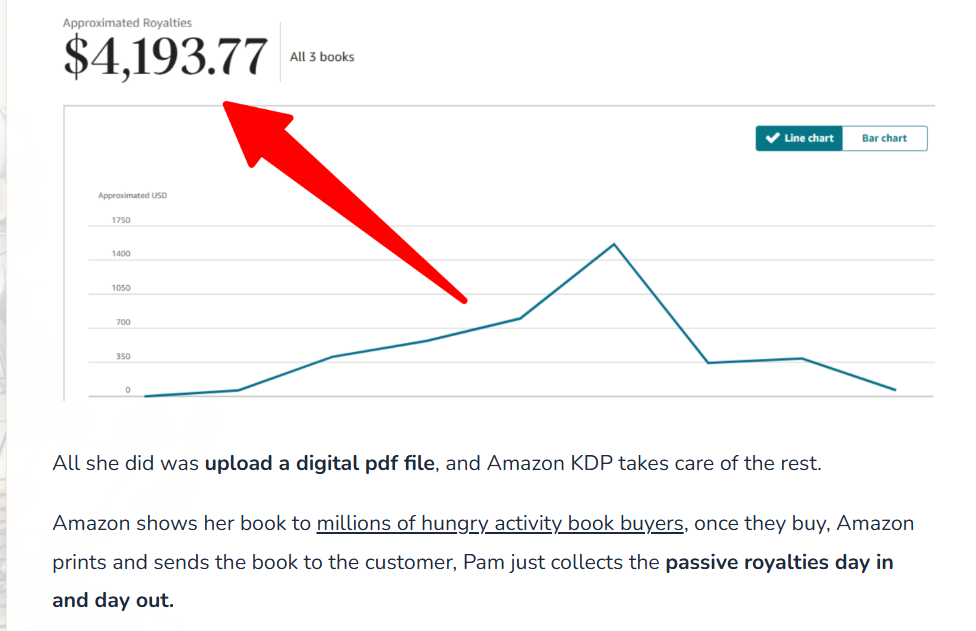
As highlighted in the Sansuu Royalty sales page, users like Pam Brechlin have earned over $4,000 in royalties from a single math workbook she created months ago. She still earns daily checks from that same file.
That is the power of passive, evergreen content.
Similar to the logic behind Manaka Royalty, math workbooks benefit from evergreen demand and low competition when done correctly. Check out our Manaka Royalty review here.
The problem has never been the demand. The problem has always been the creation process.
Until now.
Overview of Sansuu Royalty Dashboard: First Impressions
When you first log into Sansuu Royalty, the first thing you will notice is that there is nothing to install.
This is cloud-based software, meaning it lives in your browser. You can access it from a Windows PC, a Mac, or even a Chromebook. No updates. No system requirements. No “my computer is too old” excuses.
The dashboard—which they call the “New User Interface Hub”—is refreshingly clean.
You are not bombarded with a million buttons. Instead, you see clearly labeled sections:
- Math Creators (The heart of the software)
- Book Cover Creator (For designing professional covers)
- Export Settings (For PDF and PNG files)
- Training & Case Studies (Video walkthroughs)
For a beginner, this is a massive relief. There is no steep learning curve. If you can click a mouse, you can use this tool.
(Insert Image Here: Sansuu Royalty Dashboard Screenshot showing the main hub)
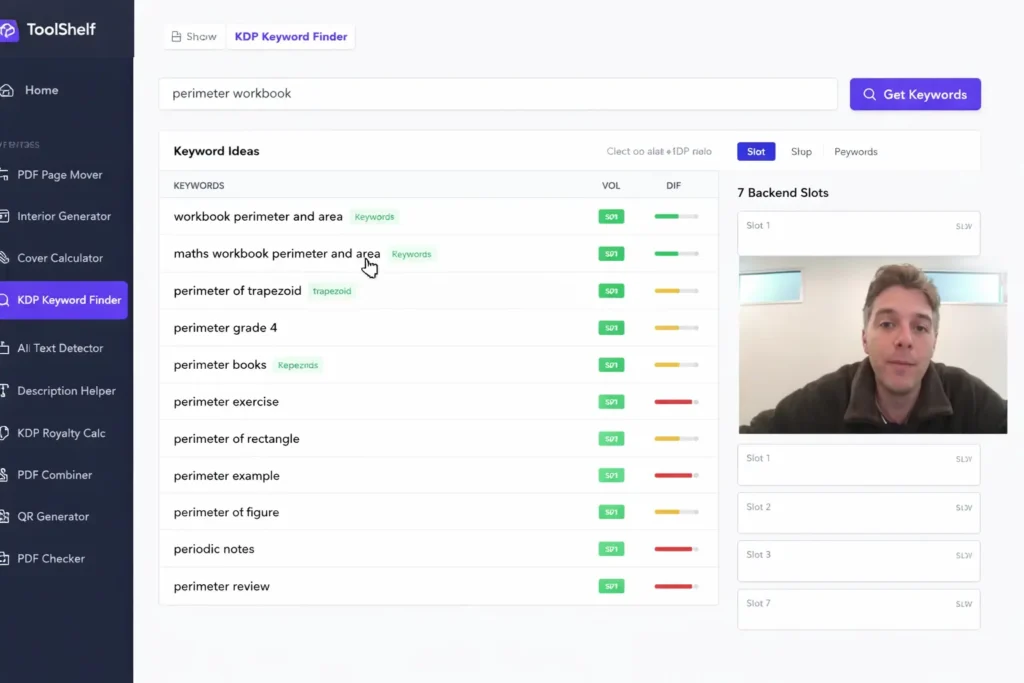
The dashboard also includes a built-in keyword research tool for finding “mid-content niches.” More on that later, but suffice it to say: Sansuu Royalty isn’t just a generator. It is a complete publishing ecosystem.
Selecting Math Categories: 20 Proven Options
One of the biggest frustrations with free math generators is the lack of variety. Most free tools only do addition or basic multiplication. If you want fractions or long division, you are out of luck.
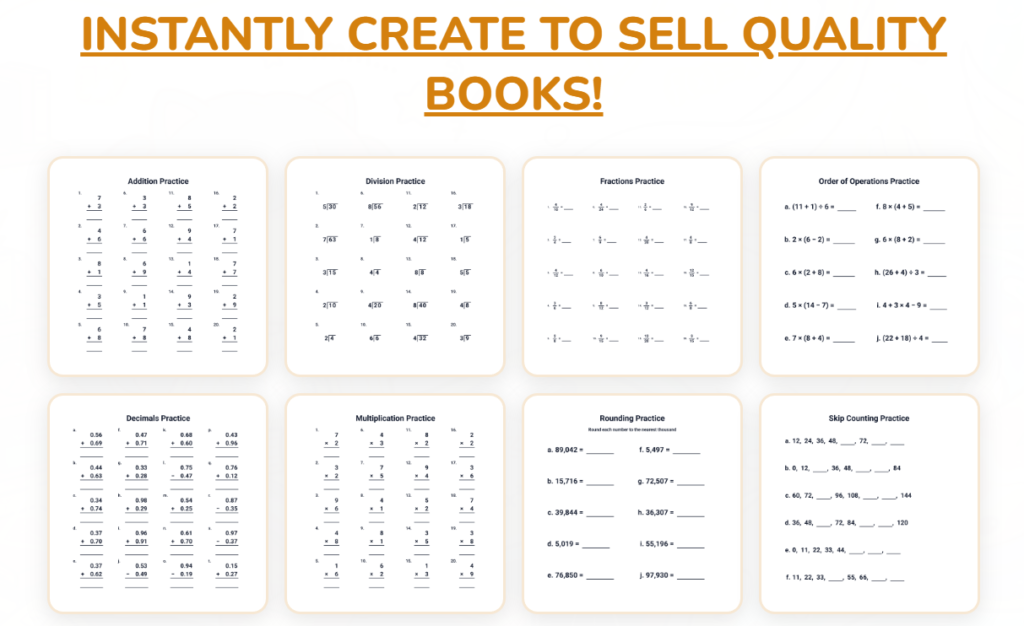
Sansuu Royalty comes loaded with 20 proven math categories, and within those categories, over 60 different workbook types.
Here is a sample of what you get:
- Addition (Single-digit, double-digit, triple-digit, with carrying)
- Subtraction (With and without borrowing)
- Multiplication (Facts, multi-digit, word problems)
- Division (Basic facts, long division, remainders)
- Fractions (Simplifying, comparing, adding, subtracting)
- Decimals (Place value, operations, rounding)
- Order of Operations (PEMDAS problems)
- Rounding (Nearest ten, hundred, thousand)
- Skip Counting (2s, 3s, 5s, 10s, and beyond)
- Place Values (Ones, tens, hundreds, thousands)
- Percentages
- Square Roots
- Exponents
- Fact Families
- Missing Numbers
- Comparisons (Greater than, less than, equal to)
- Error Analysis (Find the mistake in the equation)
And many more.
How to use this section:
- Click on the “Math Creators” tab.
- Scroll through the list of categories.
- Select the one that matches your target niche (e.g., “3rd Grade Multiplication”).
The software instantly loads the relevant settings for that category. You don’t have to configure anything manually unless you want to.
Pro Tip for Beginners: Don’t try to use all 20 categories at once. Start with one—like “Addition”—and create a single 100-page workbook. Learn the flow. Then expand to subtraction, multiplication, and so on.
Customizing Difficulty Levels: Targeting Specific Grades
One size does not fit all in the workbook market.
A kindergarten workbook with complex fractions will get you one-star reviews and angry refund requests. A 5th-grade workbook with single-digit addition will be returned as “too easy.”
That is why the difficulty customization feature in Sansuu Royalty is so critical.
For every math category, you can toggle between three difficulty levels:
- Easy: Designed for Kindergarten to 1st Grade. Numbers typically range from 0 to 10. Problems are simple and visually spaced.
- Medium: Designed for 2nd to 3rd Grade. Numbers range from 0 to 20 or 0 to 100. Introduces carrying and borrowing.
- Hard: Designed for 4th to 6th Grade. Larger numbers, more complex operations, decimals, fractions, and multi-step problems.
But the customization doesn’t stop there.
You can also adjust:
- Number of problems per page (from 10 to 30)
- Border styles (Dotted, dashed, solid, or none)
- Page titles (e.g., “Multiplication Practice: Week 1”)
- Margins (To fit different trim sizes)
- Decorations (Apples, stars, dinosaurs—whatever matches your niche)
This level of control means you are not locked into a rigid template. You can create a “Dinosaur Addition” book for a 1st grader, then switch to a “Space-Themed Long Division” book for a 5th grader, all within the same software session.
Generating Worksheets: The “One-Click” Magic
This is where Sansuu Royalty separates itself from every free generator on the internet.
With free tools, you often have to:
- Click “Generate” to get 10 problems.
- Screenshot the problems.
- Paste them into Canva or Word.
- Resize them so they fit.
- Repeat 10 times to get 100 pages.
It is exhausting.
With Sansuu Royalty, you simply:
- Select your category (e.g., “Fractions”).
- Choose your difficulty (e.g., “Medium”).
- Set the number of pages (e.g., “100”).
- Click “Generate Workbook.”
Within seconds, the software creates 100 unique pages of fraction problems. No two pages are the same. The numbers are randomized. The layout is perfectly formatted.
Why this matters for KDP:
Amazon’s algorithm favors unique content. If you upload a workbook that looks identical to 50 other workbooks on the platform, you will struggle to rank. Because Sansuu Royalty generates randomized problems every single time, every book you create is unique. This gives you a massive competitive advantage.
Creating Answer Keys: The “Royalty Glitch” Explained
Let me tell you a story.
A few years ago, I decided to create a math workbook manually. I spent four days formatting 120 pages of multiplication problems. I was exhausted but proud.
Then I realized I needed an answer key.
That meant solving 120 pages of multiplication problems by hand. With a calculator. One by one.
It took me another two days. By the end, I wanted to throw my laptop out the window.
This is the hidden time-suck that most beginners don’t anticipate. Creating the problems is hard. Creating the answer key is worse.
Sansuu Royalty solves this with the “Auto Solution Page Generator.”
When you generate a workbook, the software simultaneously generates a complete answer key. Every problem. Every page. Every solution. Verified and formatted.
You don’t touch a calculator. You don’t double-check a single equation. You simply click “Export Answer Key,” and it is done.
This is why users call it a “glitch.” It feels like cheating. But it is perfectly legitimate automation.
Internal Link Opportunity: If you appreciate this level of automation, you will love Ohanashi AI Gen for creating story-based activity books. Read the full Ohanashi AI Gen review here.
Exporting Files: 11 KDP Trim Sizes and Multiple Formats
One of the biggest technical hurdles in KDP publishing is trim size.
If your PDF margins are off by even a quarter of an inch, Amazon will reject your file. You will get a cryptic error message, spend hours Googling the solution, and eventually give up in frustration.
Sansuu Royalty eliminates this problem entirely.
The software includes 11 pre-configured KDP trim sizes:
- 5.5″ x 8.5″ (Pocket-sized activity books)
- 6″ x 9″ (Standard chapter book size)
- 6.14″ x 9.21″ (Novel size)
- 7″ x 10″ (Large workbook size)
- 8.5″ x 8.5″ (Square activity books)
- 8.5″ x 11″ (Standard US letter size—most popular for workbooks)
- And five more sizes for specialty niches.
When you export your workbook, you simply select your desired trim size from a dropdown menu. The software automatically adjusts the margins, gutters, and bleeds to meet Amazon’s strict requirements.
Export formats:
- High-Resolution PDF: Best for Amazon KDP printing. This is what you will upload to KDP.
- PNG images: Best if you want to edit individual pages in Canva or Photoshop before compiling.
You can also export the workbook and answer key as separate files, which is essential because Amazon requires you to upload the interior and the cover separately.
Designing Covers: No Freelancer Required
Let’s be honest: most of us are not graphic designers.
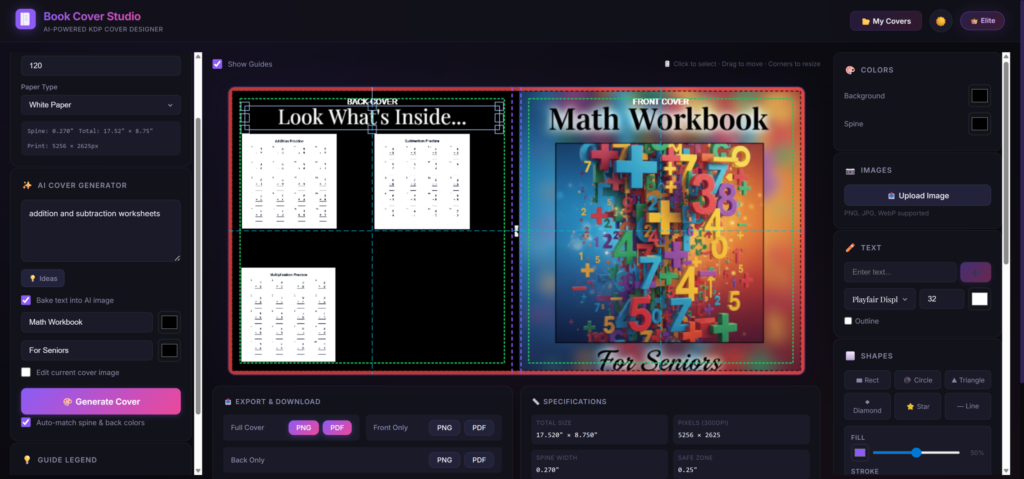
If you have ever tried to create a book cover in Canva, you know the struggle. Finding the right font, aligning the text, adding math elements, making sure the spine text doesn’t get cut off… it is overwhelming.
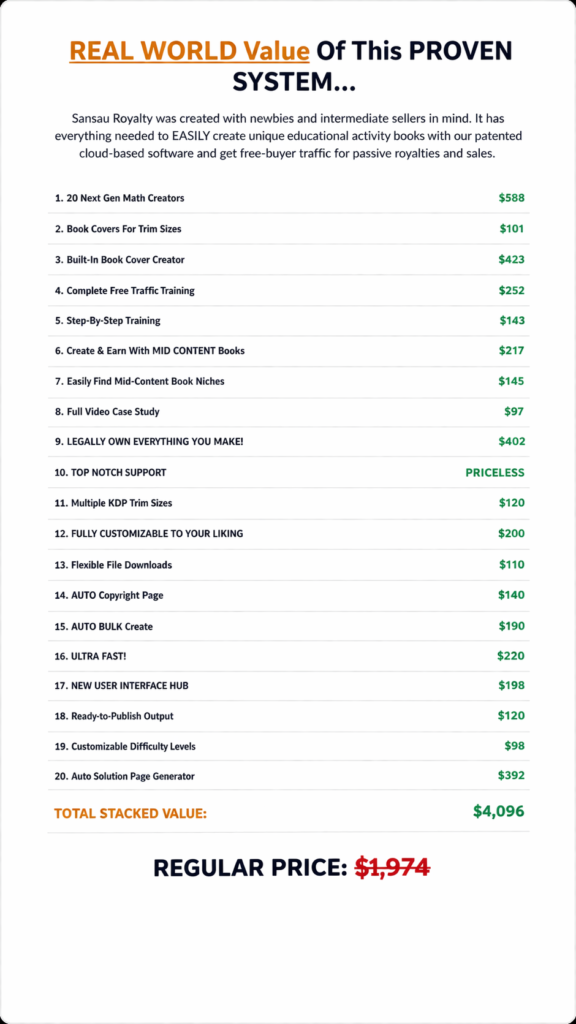
Hiring a freelancer on Fiverr or Upwork can cost anywhere from $50 to $200 per cover. If you plan to publish 20 books, that is $1,000 to $4,000 in upfront costs.
Sansuu Royalty includes a Built-In Book Cover Creator that solves this problem.
How it works:
- Click on the “Book Cover Creator” tab.
- Select your trim size (matches your interior).
- Enter your book title and subtitle (e.g., “3rd Grade Multiplication” / “100 Days of Timed Tests”).
- Choose a background color or pattern.
- Add math elements (numbers, symbols, geometric shapes).
- Click “Generate Cover.”
The software creates a front cover, back cover, and spine that are perfectly aligned with your interior trim size. You can download it as a single PDF ready for KDP upload.
Is it as good as a professional designer?
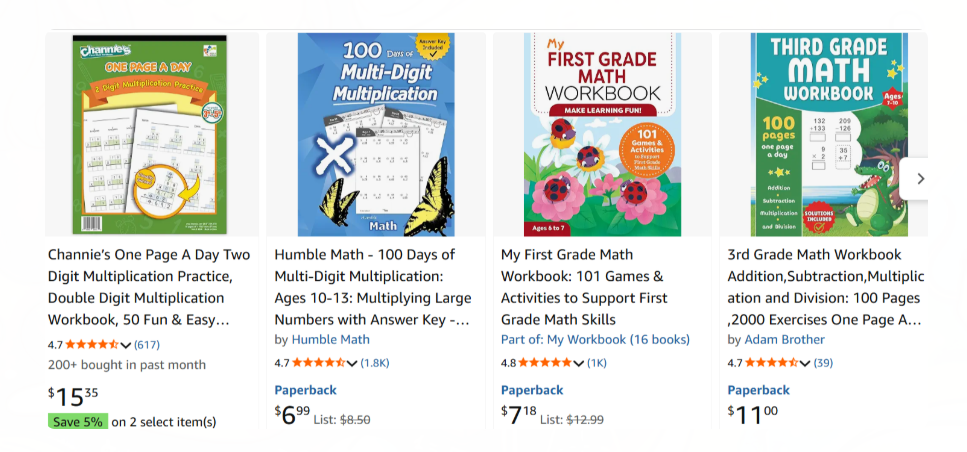
For a math workbook in the $6.99 to $9.99 price range, absolutely. The covers are clean, professional, and click-worthy. You are not trying to win a design award. You are trying to get parents and teachers to click “Buy Now.” These covers do that.
Uploading to KDP: Step-by-Step for Beginners
Once you have your interior PDF and your cover PDF, it is time to upload to Amazon KDP.
If you have never used KDP before, don’t worry. It is free, and the process is straightforward. Here is exactly how to do it:
Step 1: Create a KDP Account
- Go to kdp.amazon.com.
- Sign in with your Amazon account (or create a new one).
- Enter your tax information (required for royalties) and banking details.
Step 2: Click “Create a New Paperback”
- From your KDP dashboard, click the “+ Paperback” button.
Step 3: Upload Your Interior
- Under “Manuscript,” upload the interior PDF you exported from Sansuu Royalty.
- KDP will take 30-60 seconds to “review” the file. It will tell you if there are any errors (there won’t be, thanks to the pre-configured trim sizes).

Step 4: Upload Your Cover
- Under “Book Cover,” upload the cover PDF you created in Sansuu Royalty.
- You can also use KDP’s built-in cover creator if you want, but the Sansuu cover is better.
Step 5: Enter Book Details
- Title: Enter your book title (e.g., “3rd Grade Multiplication: 100 Days of Timed Tests”).
- Subtitle: Optional but recommended for SEO (e.g., “Math Drills for Ages 8-9”).
- Author: Enter your name or pen name.
- Description: Write 3-5 sentences about what the book covers. Include keywords like “3rd grade,” “multiplication,” “timed tests,” and “homeschool.”
Step 6: Set Your Price
- For a 100-page math workbook, price between $6.99 and $9.99.
- Select the 70% royalty option (this is critical).
- KDP will show you your estimated royalty per sale. For a $7.99 workbook, you typically earn around $4.50 to $5.50 per sale after printing costs.
Step 7: Publish
- Click “Publish Your Paperback.”
- Amazon will take 24 to 72 hours to review and approve your book.
- Once approved, your book is live and available for purchase worldwide.

That’s it. You are now a published author with a passive income asset.
Publishing & Listing Optimization: Getting Found Without Ads
One of the biggest claims on the Sansuu Royalty sales page is that you don’t need to buy ads or build a website. The “free buyer traffic” comes from Amazon’s internal search engine.
But you still need to optimize your listing so Amazon knows who to show your book to.
Here is the simple optimization strategy:
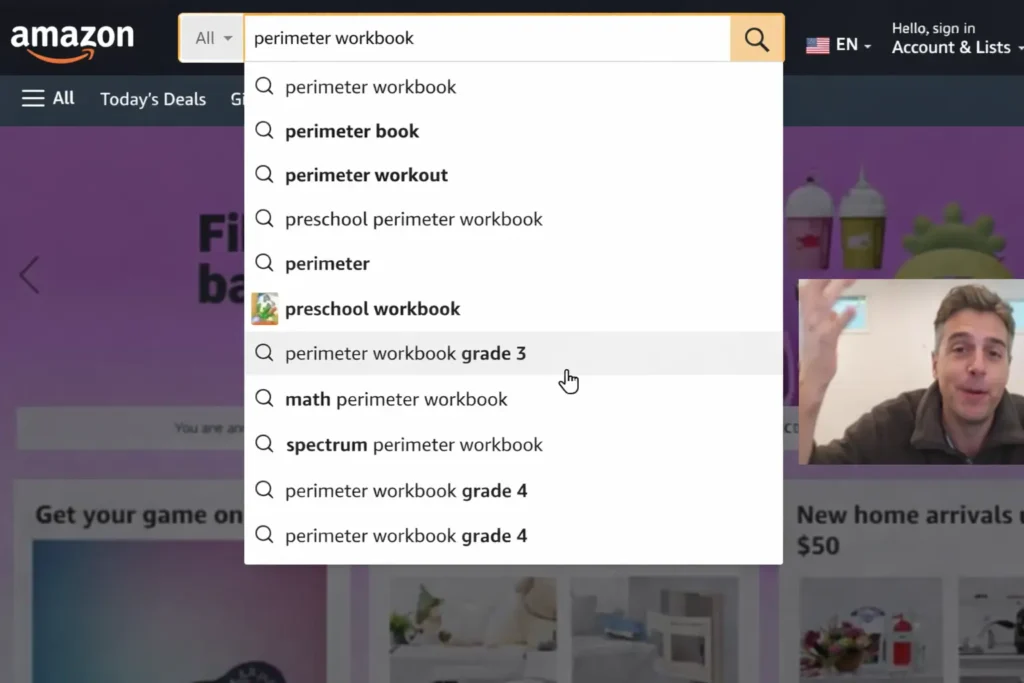
- Use the built-in keyword tool: Sansuu Royalty includes a “Find Mid-Content Niches” tool. Enter a seed keyword like “math workbook,” and it will spit out long-tail, low-competition keywords like “2nd grade math workbook addition subtraction” or “homeschool multiplication drills.”
- Put your best keyword in the subtitle: Amazon gives more weight to the subtitle than the description.
- Choose the right categories: When setting up your KDP book, you can select two categories. Choose “Education & Teaching” and “Homeschooling” for math workbooks.
- Get a few reviews: Ask friends, family, or your email list to buy the book and leave an honest review. Five to ten reviews is usually enough to start gaining traction.
Because math workbooks are an evergreen niche with consistent demand, Amazon will start showing your book to buyers without you spending a dime on ads.
Final Tips for Beginners: Your First 30 Days
If you are serious about building a passive income stream with Sansuu Royalty, follow this 30-day action plan:
Week 1: Learn the software. Generate 5 different workbooks (addition, subtraction, multiplication, division, fractions). Don’t publish yet. Just get comfortable with the dashboard.
Week 2: Create your first “flagship” workbook. Aim for 100 pages. Use the cover creator. Export the PDFs.
Week 3: Set up your KDP account and upload your first book. Optimize the title, description, and keywords using the built-in tool.
Week 4: Create your second and third books. Publish them. Now you have three income-generating assets.
Ongoing: Spend 1-2 hours per week creating and publishing one new workbook. After six months, you will have 20-30 books generating daily royalties.
Remember: This is not a “get rich overnight” scheme. Results vary. But the users featured on the sales page—people like Pam Brechlin—are real. They started exactly where you are now. They followed the system. And they are earning passive royalties because of it.
FAQs Section
How do I start using Sansuu Royalty?
Click the “Yes, I Want a Discounted Copy Now” button on this page. You will get instant cloud access. No download required. No waiting for a physical product.
Is it easy for complete beginners?
Yes. The software includes step-by-step video training and a full case study. You do not need a teaching background, math expertise, or technical skills.
What type of books can I create?
You can create over 60 different workbook types, including addition, subtraction, multiplication, division, fractions, decimals, long division, percentages, order of operations (PEMDAS), rounding, skip counting, place values, exponents, square roots, fact families, missing numbers, comparisons, error analysis, and mixed operations.
Can I customize worksheets?
Absolutely. You can adjust difficulty levels (Easy, Medium, Hard), number of problems per page, borders, titles, margins, and decorations.
How do I export my workbook?
You export as a high-resolution PDF (for Amazon KDP) or PNG files (for editing). The software includes 11 pre-configured KDP trim sizes, so your margins will be perfect.
What platforms can I publish on?
Amazon KDP, Etsy (as digital downloads), Teachers Pay Teachers, Zazzle, Lulu, Blurb, PublishDrive, and any other platform that accepts PDF uploads. You own full commercial rights to everything you create.
Do I need design skills?
No. The software handles all layout formatting. The built-in cover creator handles the design. You do not need Canva, Photoshop, or any other design tool.
How long does it take to create a book?
A 100-page workbook takes approximately 2 to 5 minutes to generate. Bulk creation features allow you to create multiple books per hour.
Can I edit generated content later?
Yes. You can regenerate specific pages, adjust difficulty settings, or change the trim size before final export.
Is training included?
Yes. The package includes full video case studies, free buyer traffic training, and step-by-step instructions for every aspect of workbook publishing.
How much royalty does Amazon KDP pay?
KDP offers a 70% royalty for books priced between $2.99 and $9.99 (in most markets). For a $7.99 math workbook, you keep approximately 70% of the sale price minus printing costs, which typically nets $4.50 to $5.50 per sale.
Who gets royalty from KDP, the author or KDP?
The author (you) receives the royalty. Amazon KDP takes a percentage to cover printing and distribution costs, but the remaining profit is sent directly to you.
How to get 70 royalty on Amazon?
Price your paperback between $2.99 and $9.99. During KDP setup, select the 70% royalty option (not the 35% option). Ensure your book is enrolled in KDP Select if you want additional promotional tools.
How do I get my royalties from Amazon KDP?
Set up your bank account or Payoneer account in your KDP dashboard. Amazon pays royalties approximately 60 days after the end of the month in which the sale was made. For example, January sales are paid out in late March.
How can I sell second hand books on Amazon?
You cannot sell second-hand books through KDP (which is for new print-on-demand books). To sell used physical books, you need a separate Amazon Seller Account (Individual or Professional). That is a different business model entirely.
How many books sell 50,000 copies?
Less than 1% of all books sell 50,000 copies. However, math workbooks are an “evergreen” niche. Instead of aiming for a blockbuster, aim for consistent daily sales of 5-20 copies. That adds up to a strong, reliable passive income without needing blockbuster status.
Can I make money on Amazon selling used books?
Yes, but the profit margins are typically low ($1-$5 per book), and you must source physical inventory. Creating your own workbook with Sansuu Royalty yields 70% royalties with no inventory, no shipping, and no storage costs.
Can I sell my used books on Amazon for free?
No. Amazon charges fees for used book sales. The Individual Seller plan charges $0.99 per item sold plus referral fees. The Professional plan costs $39.99 per month. There is no completely free method for selling used books.
Final Verdict: Is Sansuu Royalty Worth It?
After spending significant time with this software, the answer is clear: Yes, especially for beginners.
Sansuu Royalty solves the three biggest problems that stop people from entering the workbook publishing market:
- The formatting nightmare (solved by pre-configured templates)
- The calculation headache (solved by auto-generated answer keys)
- The traffic problem (solved by training you to leverage Amazon’s existing buyer traffic)
The software is not a “magic button” that prints money overnight. You still have to upload your books to KDP. You still have to optimize your listings. You still have to put in a few hours of work upfront.
But compared to the old way—manual formatting, manual calculations, hiring freelancers, running ads—Sansuu Royalty is a quantum leap forward.
For the current launch price (which includes full commercial rights, no recurring fees, and lifetime access), it is an absolute no-brainer for anyone serious about building passive income online.
Ready to start?
Click the button below to lock in your discounted copy before the launch price expires.
[YES, I Want a Discounted Copy Now]